
The Đắk Lắk Highlands: Vietnam's Napa Valley of Coffee
6 September 2026 · Trung Nguyen · ☕ 4 min read
Volcanic red earth, 800 metres of altitude, and four generations of coffee farmers. Meet the Central Highlands region quietly producing the world's best fine Robusta — one small family plot at a time.
Fly into Buôn Ma Thuột on a clear morning and the first thing you see, once the plane drops below the cloud layer, is red. A deep, oxide-rust red that stretches from horizon to horizon and only breaks for the dark green squares of coffee. This is the Central Highlands of Vietnam — Tây Nguyên in the local Rade language — and it is, quite genuinely, one of the most extraordinary places on earth to grow coffee.
The terroir nobody talks about
Ask ten European coffee drinkers where the world's best coffee grows and you'll get ten answers between Ethiopia and Panama. Almost none will name Vietnam. This is a market failure, not a taste failure. The Đắk Lắk plateau sits on weathered basalt from ancient volcanic activity, which produces exactly the mineral-rich, well-drained, iron-heavy soil that coffee trees fall in love with. Altitude ranges from 500 to 800 metres — a band you'll find echoed in the finest Colombian and Sumatran origins. Two distinct seasons, hot-wet and cool-dry, give the cherries exactly the stress they need to develop sugar.
The pieces are all there. What's been missing, historically, is the ambition to grade the output the way Ethiopia or Panama do.
A four-generation timeline
Coffee arrived in the Highlands in 1857 with French missionaries. It was a colonial cash crop for a century. Then the war. Then, in 1986, the Đổi Mới reforms opened Vietnamese agriculture to private ownership, and something remarkable happened: hundreds of thousands of families were given plots of one or two hectares and told, effectively, "make this work." They did. Within twenty years Vietnam became the second-largest coffee producer on earth.
The first generation was survival farming. The second was scale. The third — the one running the farms now — is quality. And the fourth, kids in their twenties, are the ones with agronomy degrees who came home from Ho Chi Minh City or Melbourne to help their parents move up-market.
Meet a highland grower
Cela Coffee works with a network of small-holder farmers around Buôn Ma Thuột, chosen with our sourcing partner for their cupping quality and fair-trade practices. One of them is a family plot run by a third-generation coffee grower — his adult daughter, who studied agronomy in Ho Chi Minh City, now runs the harvest team and the processing station. Together they work about 3.4 hectares. That's small. In Vietnamese coffee terms, that's extremely small. But it's also exactly the scale at which fine Robusta becomes possible.
Their harvest calendar looks like this:
- October – November: first pass, only fully ripe crimson cherries picked
- November – December: second and third passes, five to ten days apart
- December – January: strip pass on the remaining underripe cherries — these go into a separate, lower grade, never blended with the fine lot
Most Vietnamese Robusta is machine-harvested or strip-picked in a single pass. Everything ripe, everything green, everything half-and-half, all into one sack. That's how you get the harsh commodity Robusta of your worst café memory. What this family does — three separate hand-picking passes, cherry-by-cherry — is the same process a specialty Ethiopian estate uses. And the result cups the same way: clean, sweet, defined.
Processing: the second half of quality
After picking, the cherries go through what's called a natural (dry) process. The whole cherry — skin, pulp, mucilage, bean — is laid out on raised African-style drying beds under shade cloth for 21 to 28 days, turned by hand four times a day. This is slow. It requires perfect weather. It also lets the bean absorb sugars from the fruit as it dries, which is where a lot of that dark chocolate and hazelnut character comes from.
Once the moisture drops to 11%, the beans rest in parchment for two months in ventilated wooden silos before hulling. Nothing about this process is fast. Nothing is optimised for volume. Everything is optimised for the cup.
What "fair trade" actually means in this story
We don't buy beans directly from farmers — coffee doesn't really work that way at our scale, and pretending otherwise would be marketing spin. Instead, we work with a trusted Vietnamese sourcing partner who we've vetted carefully. Their job — and ours, whenever we visit — is to make sure every batch that carries our name meets three simple standards:
- Fair-trade certification — the farmers are paid at or above the fair-trade minimum, with a premium on top for quality
- Traceability to the farm — we know which cooperative, which village, and often which family the lot came from
- Long-term relationships — no one-off spot buys; the same partners across seasons so growers can plan and invest
It's less romantic than "we shake hands with the farmer at harvest." It's also honest. The premium we pay over commodity Robusta is roughly 2.4×, and every euro of it is traceable. That is what allows year-round permanent staff on the farms we work with instead of day labour at harvest time. That is what pays for the raised drying beds and the moisture meters and the sample roasters they use to cup their own lots.
Why this matters for a Nordic coffee drinker
Coffee is one of the last agricultural products where, with a little effort, you can know exactly how the people who grew your food were paid. The Đắk Lắk highlands aren't a marketing story — they are, if you'll allow it, a small ongoing act of care between growers we've partnered with for years and the cup you're about to pour. That's rare in 2026. It's worth paying attention to.
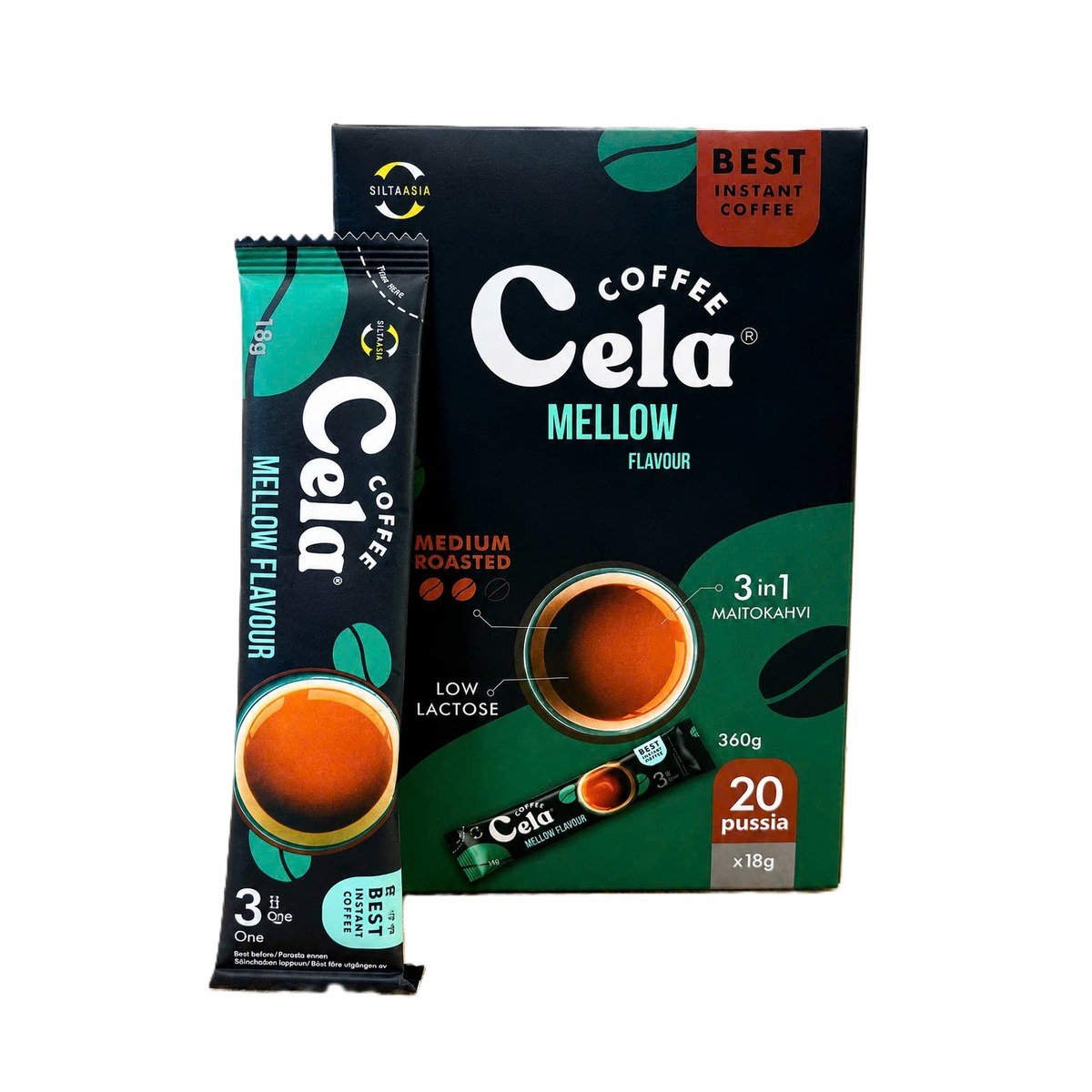
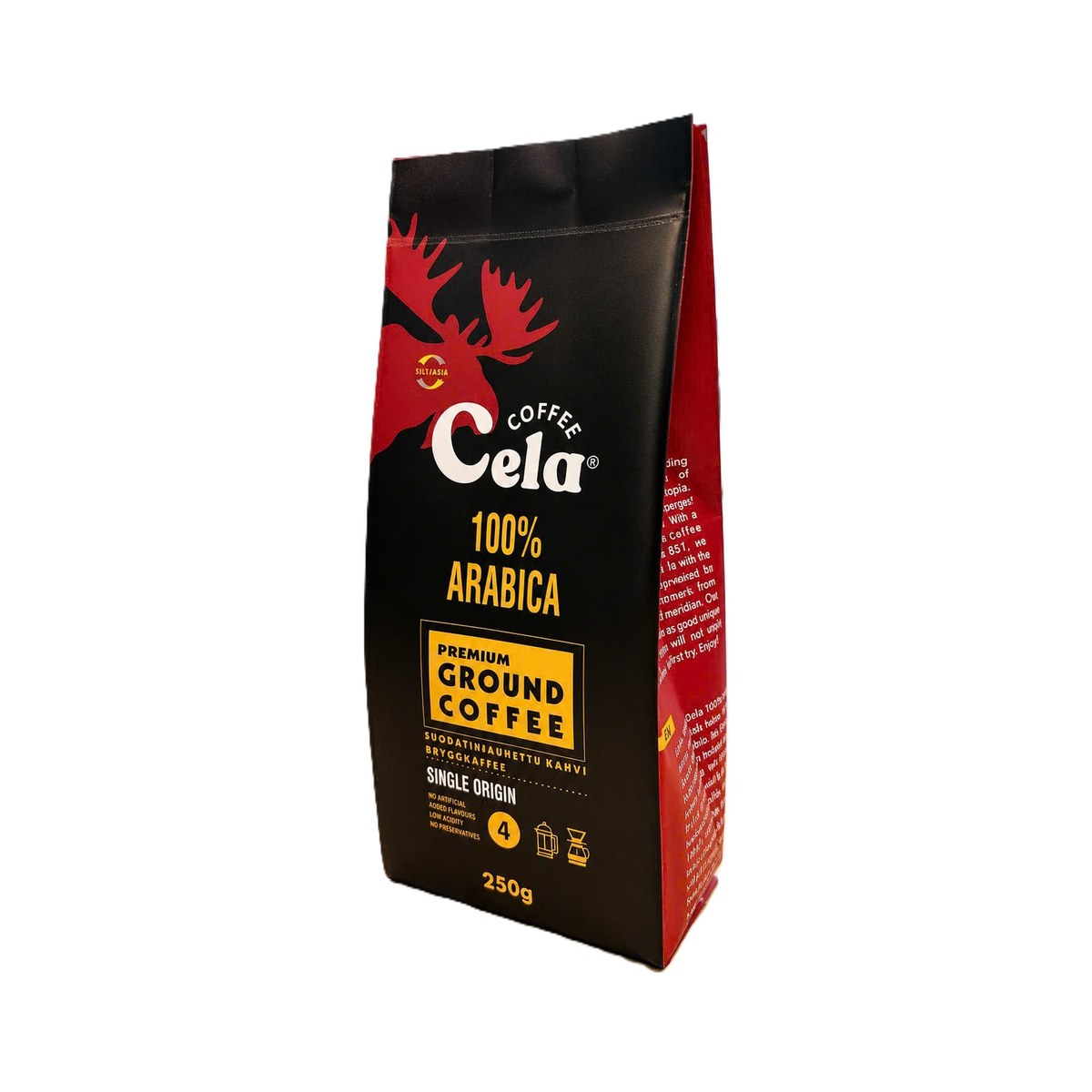
The next time you brew a Cela morning cup, that's what's in there.
Try it with our beans