
The Story of Cà Phê Sữa Đá — Vietnam's Iced Coffee
27 July 2026 · Cela Coffee · ☕ 2 min read
Cà phê sữa đá — coffee, condensed milk, and ice — is the drink of Vietnam. Here's how it came to be, why it works so well, and how to make it at home.
A drink born from necessity
Coffee arrived in Vietnam with French colonists in the 1850s. The plant grew beautifully in the highlands, but drinking it the European way — hot, with fresh milk — was a problem. In a tropical climate without refrigeration, fresh milk didn't last.
The solution came from an unexpected place: tins of sweetened condensed milk being shipped across French colonial trade routes. It was shelf-stable, sweet, and thick enough to stand up to Robusta coffee.
Someone poured a shot of Vietnamese coffee over a spoonful of condensed milk, added ice, and stirred. The rest is history.
Why it works so well
Cà phê sữa đá is more than the sum of its parts. Three things make it work:
- Low acidity. Vietnamese Robusta has a naturally low, chocolatey acidity that pairs beautifully with sweetness.
- Strong body. The thick, syrupy coffee doesn't disappear when milk and ice are added.
- Cocoa and molasses notes. These match the caramel character of condensed milk.
Try the same combination with a delicate Arabica and the coffee gets lost. Try it with Vietnamese Robusta and something magical happens.
How to make it at home
- Spoon 20 ml of sweetened condensed milk into the bottom of a tall glass.
- Set a phin filter on top and brew 15 g of Vietnamese Robusta with 90 ml of hot water. (See our phin brewing guide for step-by-step instructions.)
- When the coffee finishes dripping (about 5 minutes), remove the phin and stir until the coffee and milk are one uniform colour.
- Fill the glass with ice — a lot of it — and stir again.
- Add a straw and enjoy slowly.
Regional twists worth trying
Different regions of Vietnam have their own variations:
- Cà phê trứng (Hanoi) — egg yolks whipped with condensed milk into a tiramisu-like foam, floated on hot coffee.
- Bạc xỉu (Southern Vietnam) — a milkier, sweeter version with more condensed milk than coffee.
- Cà phê muối (Huế) — coffee with a salted-cream foam. Sounds strange, tastes incredible.
- Cà phê dừa (Mekong Delta) — coffee blended with coconut ice, a drink and dessert in one.
Start with the right beans
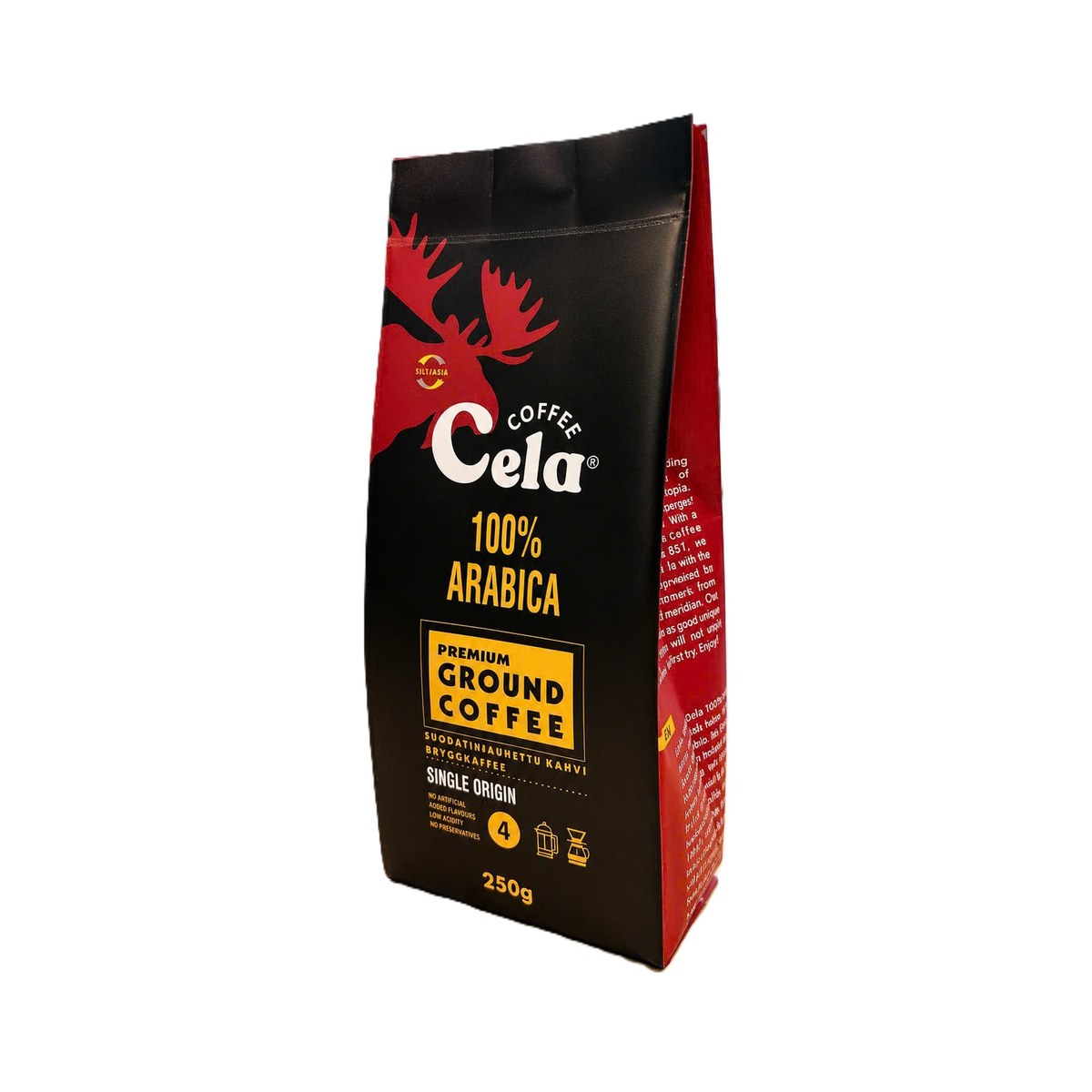
You can make cà phê sữa đá with any dark-roasted coffee, but the classic version needs Vietnamese Robusta. Our Robusta Ground is roasted specifically for this drink.
Try it with our beans